Blog
Game guides, the science of play, and stories behind traditional card games from 15+ countries. New posts most weeks.
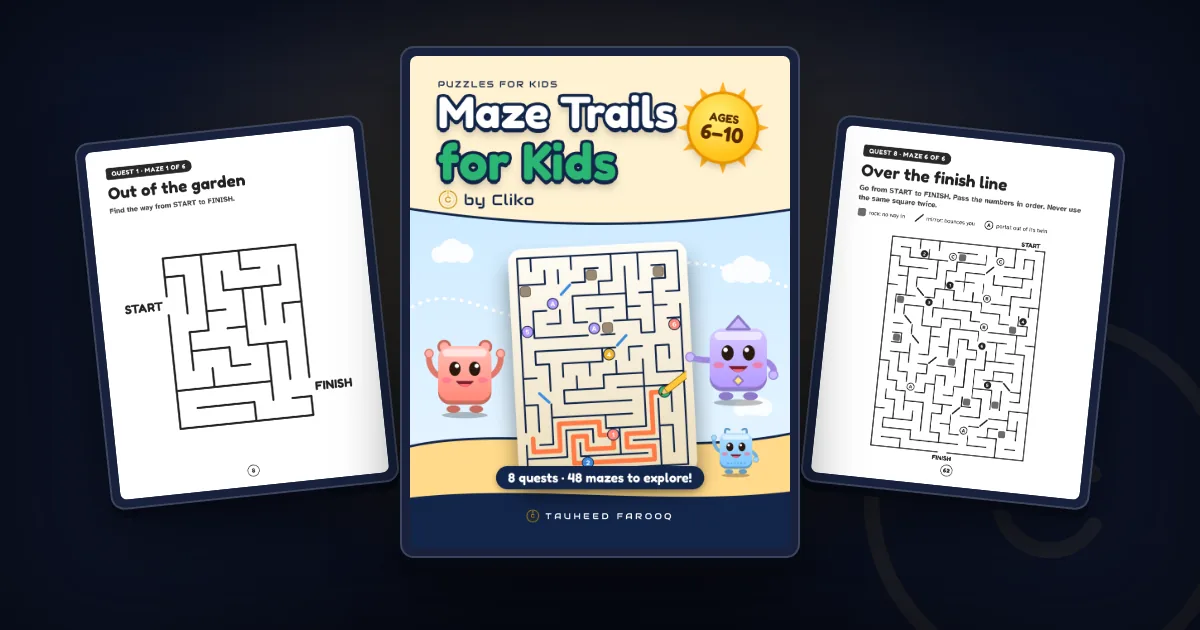
Mazes for Kids: How We Built Maze Trails
A plain maze always has exactly one way through. Make it harder and that promise breaks: the last maze in our new book started out with 3,242.
Read more →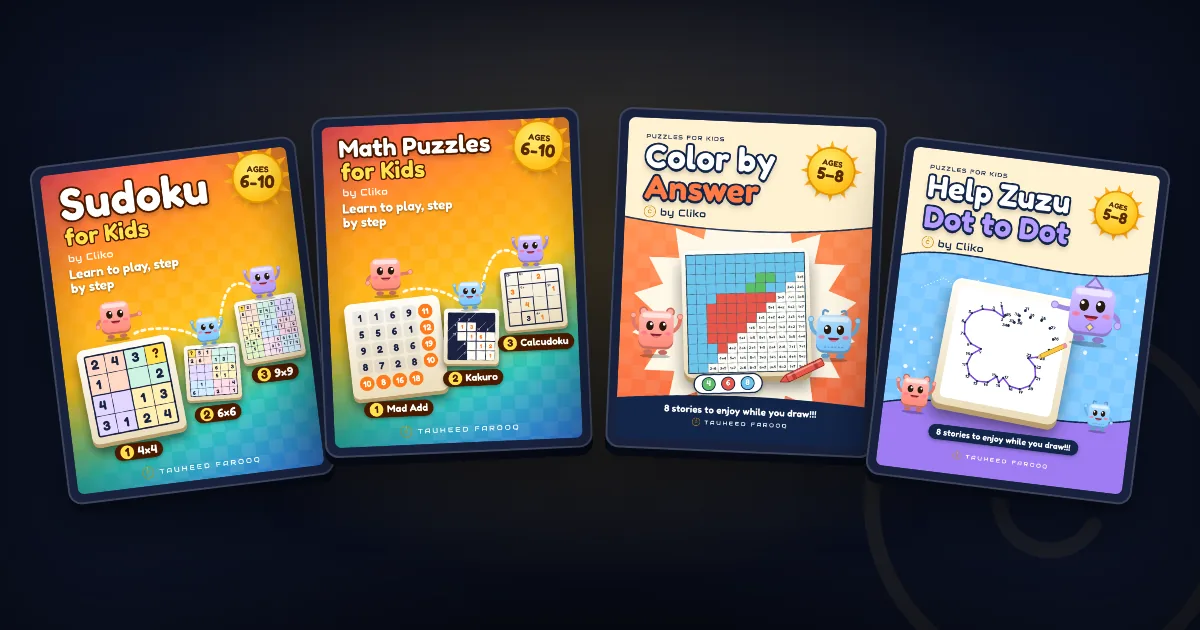
Puzzle Books for Kids: How We Made Four
A grown-up can tell a hard puzzle from a broken one. A seven-year-old can't, so a puzzle book for kids has to be right on every page.
Read more →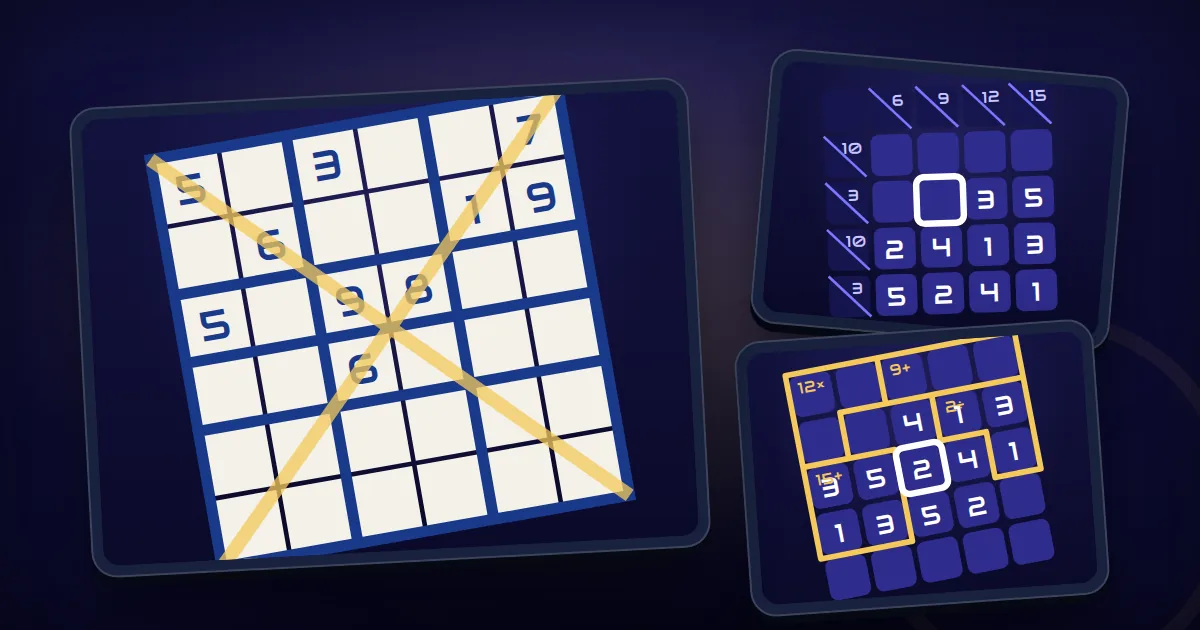
Sudoku, the Process from Puzzle to Game
Sudoku was the first game I built for Cliko. It was also the first one I had to rebuild, because 22 of its puzzles were quietly cheating.
Read more →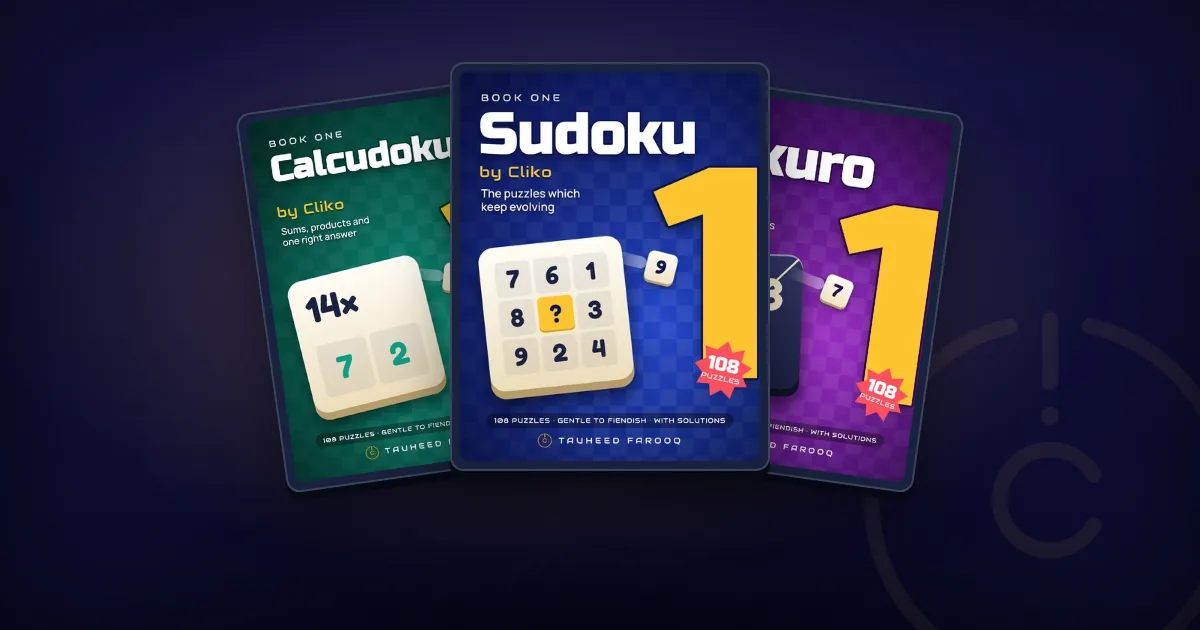
From Browser to Paperback: How We Made Our First Puzzle Books
Amazon turned down the author of our first book five days before it could go on sale. The author was us.
Read more →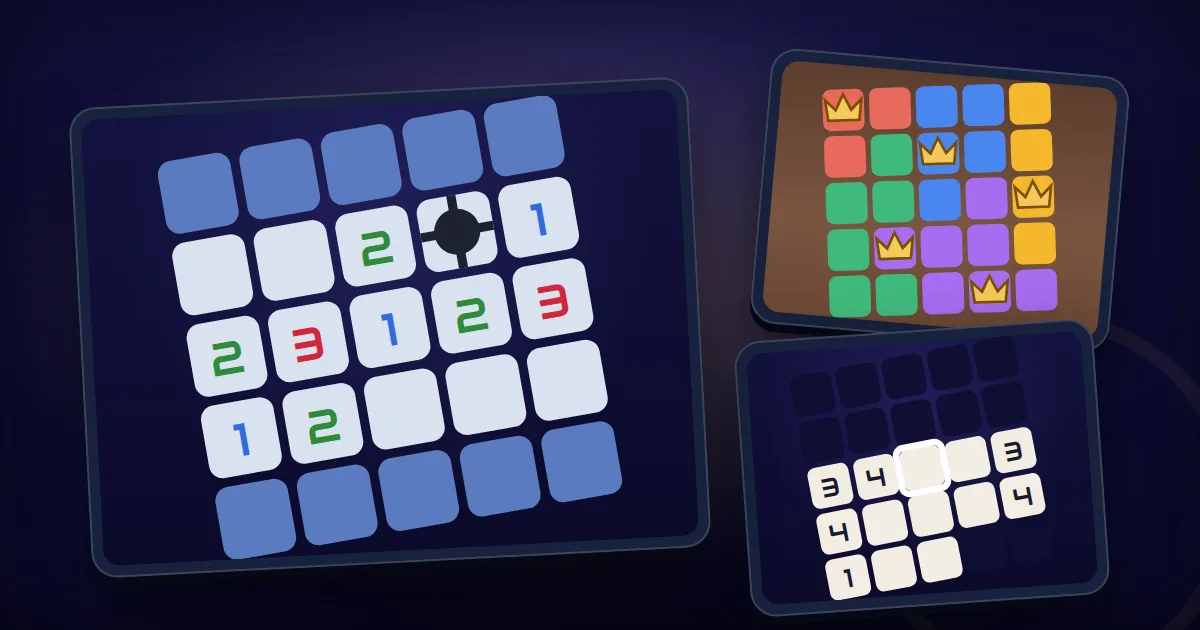
Why Minesweeper's First Click Is Never a Mine
A game that can end before you've made a single decision isn't a game. Here's exactly how my Minesweeper avoids that, and the harder question I still haven't answered.
Read more →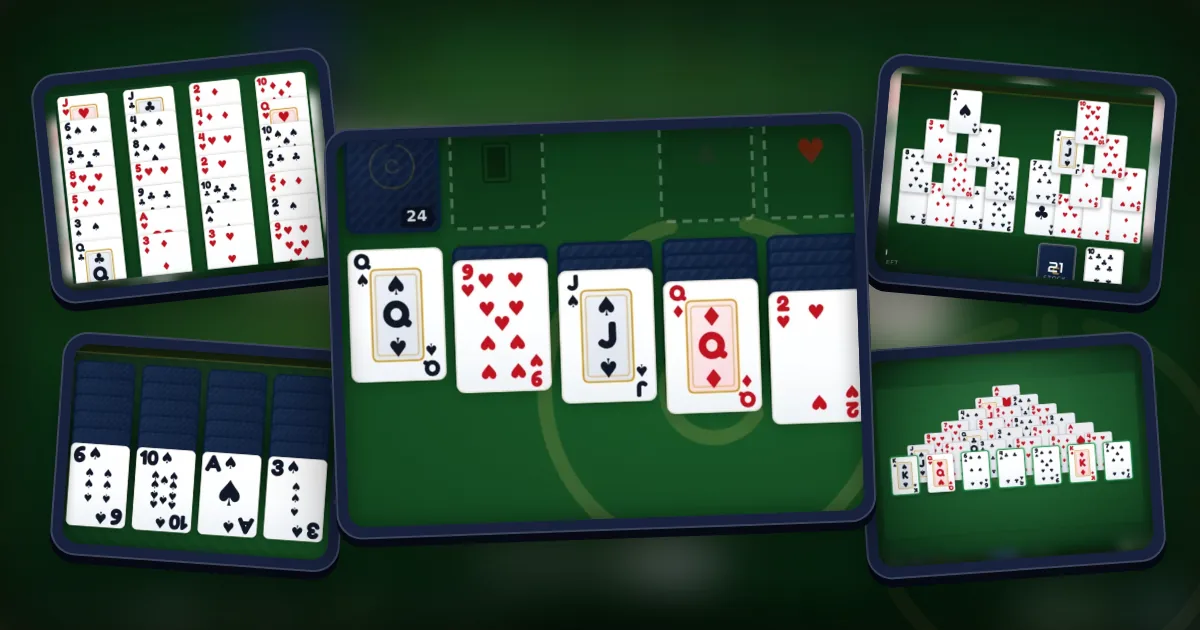
The Five Solitaires: What Actually Differs
I wrote the engines for all five of these games, and the thing that surprised me wasn't that they play differently. It's how measurably differently they play, from the very first card.
Read more →
Canasta: How a Montevideo Invention Conquered 1950s America
Canasta is my favourite card game of the lot, and for years I had no idea it was Uruguayan. My best score is 7350. I would genuinely enjoy hearing somebody took it down.
Read more →
Cuarenta: Ecuador's National Card Game
I had never heard of Cuarenta until I went looking for card games country by country. Then one of its capture rules cost me two days, because I was sure my own engine was broken.
Read more →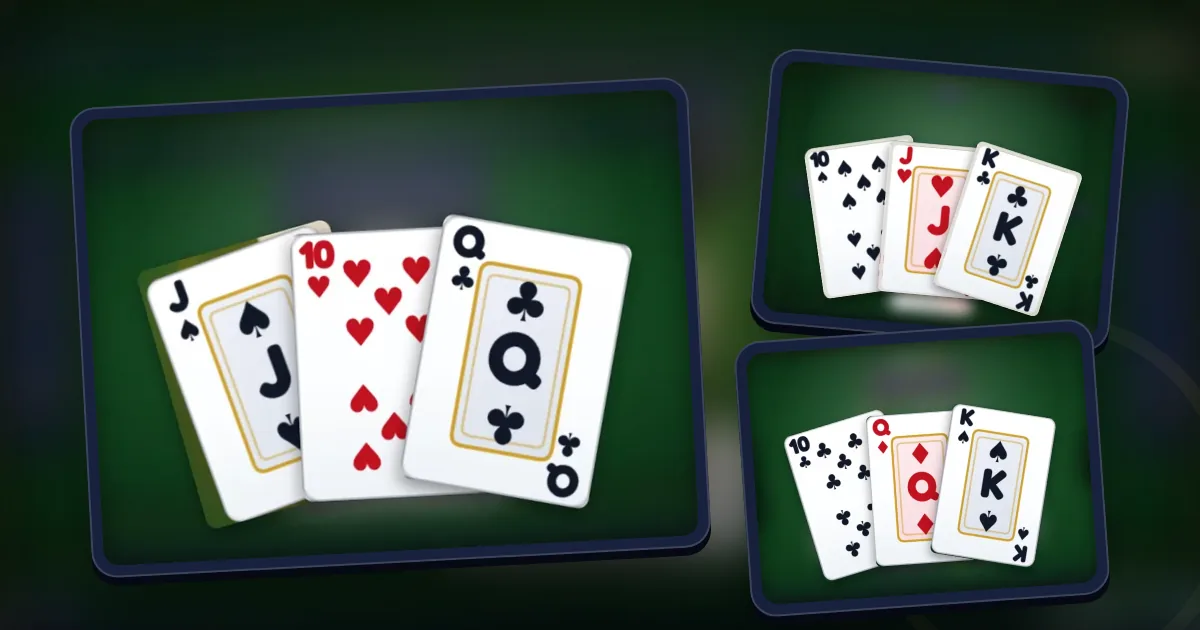
Klaverjas: Why the Dutch Play With Roem Bonuses
Klaverjas has a rule called Roem that rewards you for holding specific card combinations in tricks. It's the most satisfying scoring bonus I've coded.
Read more →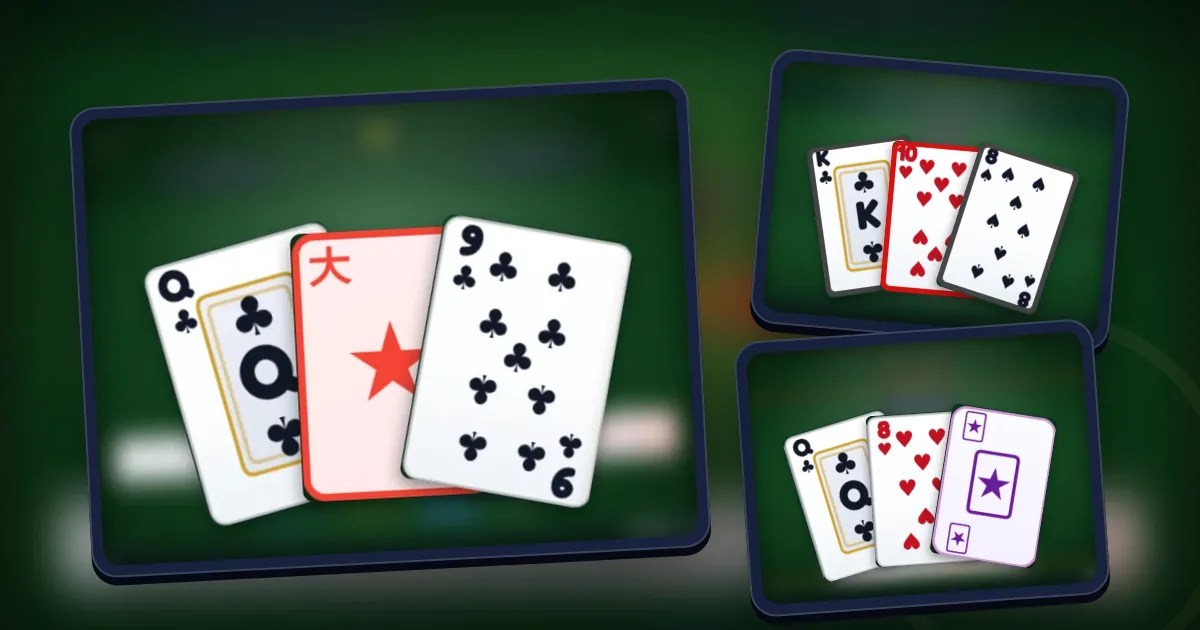
Dou Di Zhu: The Most-Played Card Game on Earth
600 million people play Dou Di Zhu. That's more than Poker, more than Bridge, more than any card game you've heard of. And most of the West has never heard of it.
Read more →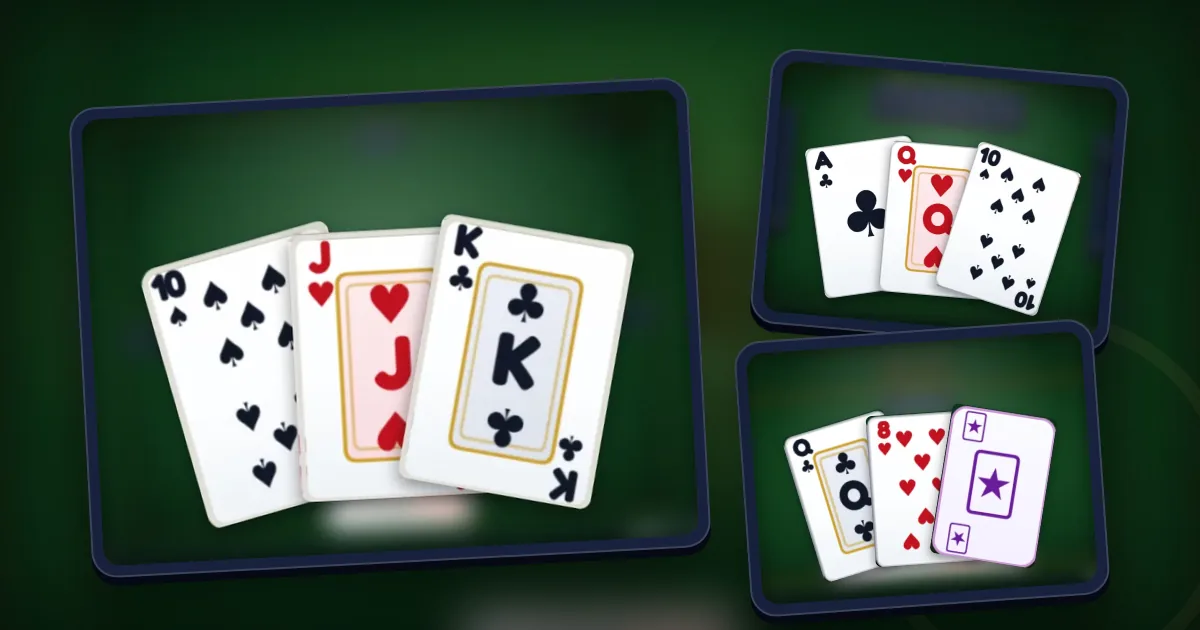
Euchre: The Card Game That Defines the American Midwest
I discovered Euchre while researching North American card games for Cliko. An entire region's identity tied to one card game — I had to build it.
Read more →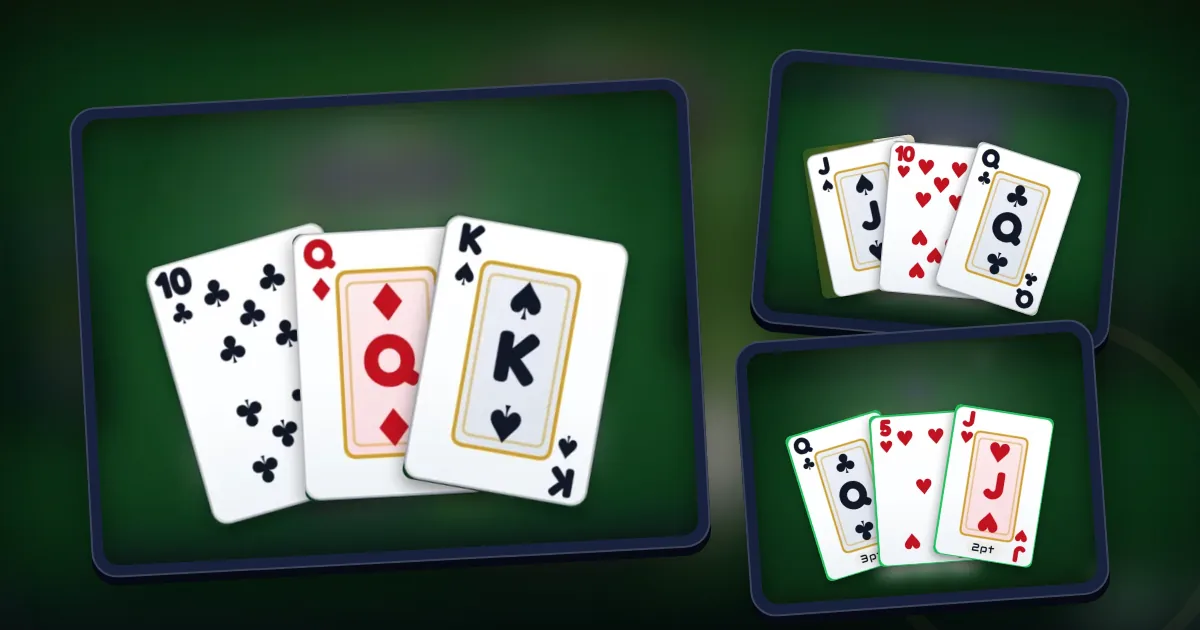
Schnapsen: The Card Game of Vienna's Coffee Houses
I found Schnapsen while researching European card games. The marriage mechanic — a King-Queen pair for bonus points — is the most elegant thing in any card game I've built.
Read more →
Scopa: Italy's National Card Game
If Briscola is Italy's strategic game, Scopa is its loud one. Fast rounds, table-slapping sweeps, and scoring rules that reward greed.
Read more →
Briscola: How Italy's Card Game Conquered the Mediterranean
I found Briscola in the same research rabbit hole that led me to Basra. The Mediterranean card game tradition runs deep.
Read more →
The Story of Basra: Lebanon's Beloved Card Game
I found Basra because Spider Solitaire got boring. I didn't expect a card game from Beirut to ruin my sleep schedule.
Read more →
How a Card Game Travels: Variants Across Borders
Building 8 regional card games taught me that every border crossing changes one rule. One rule is enough to create a different game.
Read more →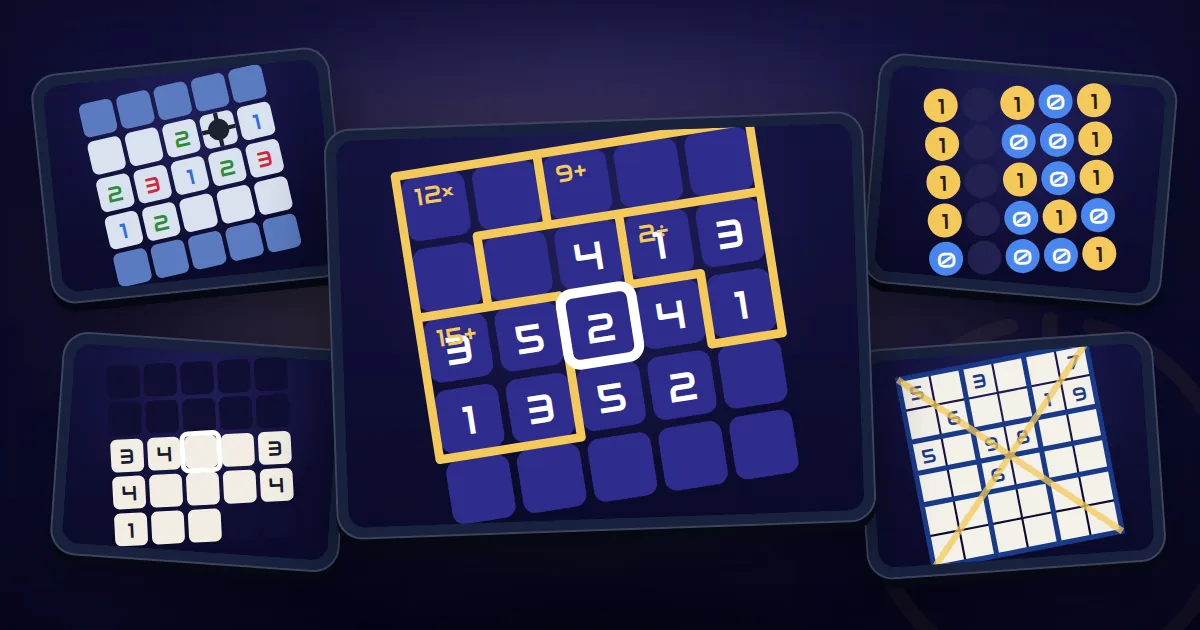
What Makes Grid-Based Games Click With People
I've built 15+ grid puzzles. The ones that succeed all share three properties. The ones that fail are missing at least one.
Read more →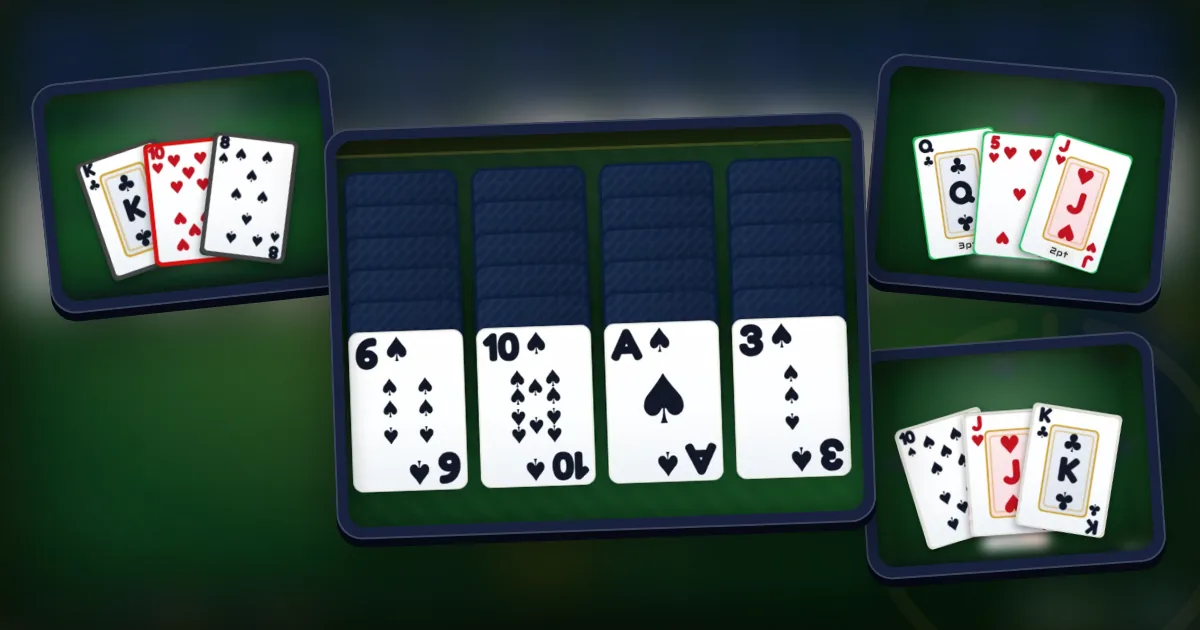
Why Most Card Decks Have 52 Cards
I've built games for six different deck types. The 52-card French deck won the world, but the story of why is stranger than you'd expect.
Read more →Guides & articles
 Briscola: How Italy's Card Game Conquered the Mediterranean
 Canasta: How a Montevideo Invention Conquered 1950s America
 Cuarenta: Ecuador's National Card Game
 Dou Di Zhu: The Most-Played Card Game on Earth
 Euchre: The Card Game That Defines the American Midwest
 The Five Solitaires: What Actually Differs
 From Browser to Paperback: How We Made Our First Puzzle Books
 What Makes Grid-Based Games Click With People
 How a Card Game Travels: Variants Across Borders
 Klaverjas: Why the Dutch Play With Roem Bonuses
 Mazes for Kids: How We Built Maze Trails
 Why Minesweeper's First Click Is Never a Mine
 Puzzle Books for Kids: How We Made Four
 Schnapsen: The Card Game of Vienna's Coffee Houses
 Scopa: Italy's National Card Game
 The Story of Basra: Lebanon's Beloved Card Game
 Sudoku, the Process from Puzzle to Game
 Why Most Card Decks Have 52 CardsAll guides and posts →